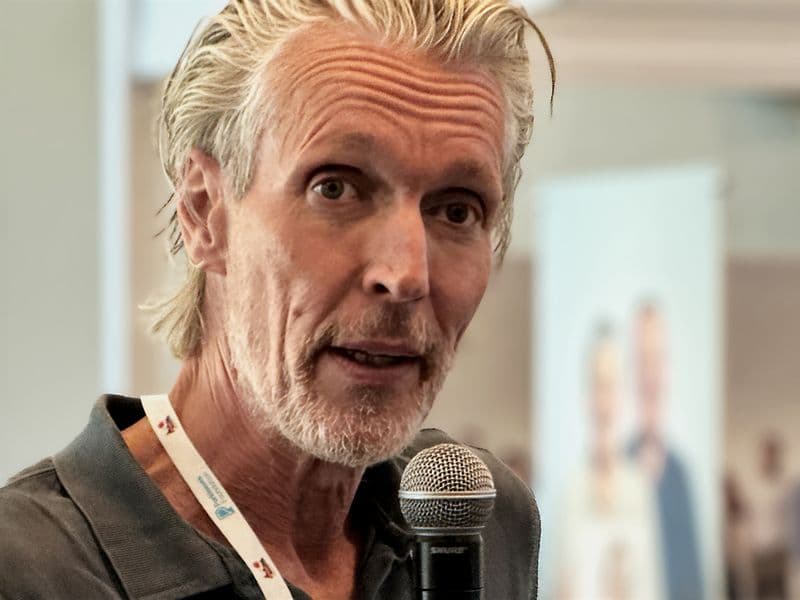
Roger Barker: Beyond the “Breakthrough”
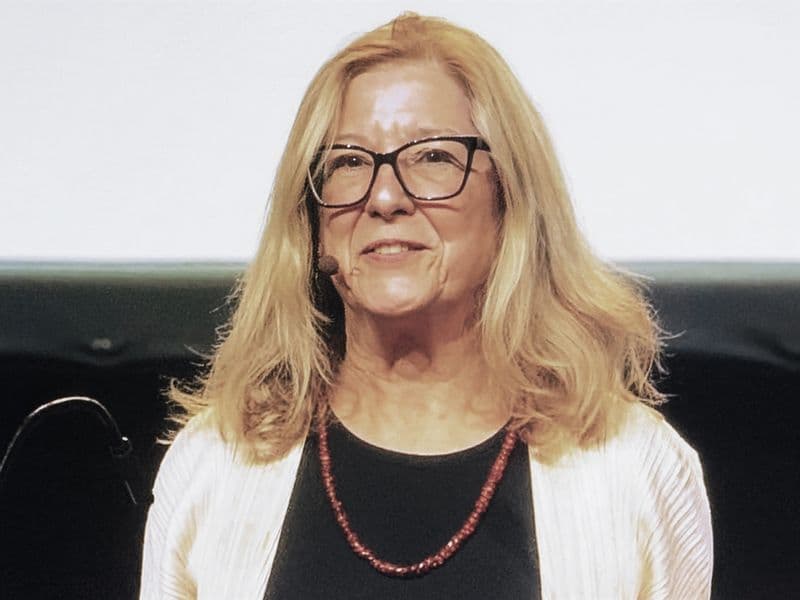
“I don’t think we need a cure,” neuroscientist Roger Barker said. “If you can slow it down by 50 percent and pick people up early on, you’ve probably done it.”

“I don’t think we need a cure,” neuroscientist Roger Barker said. “If you can slow it down by 50 percent and pick people up early on, you’ve probably done it.”

How we accidentally became the founders of a Magazine.

Parkinson’s disease has long been understood through dying neurons and misfolded alpha-synuclein. Neuroscientist Malú Gámez Tansey believes chronic inflammation may be one of the central forces driving the disease.

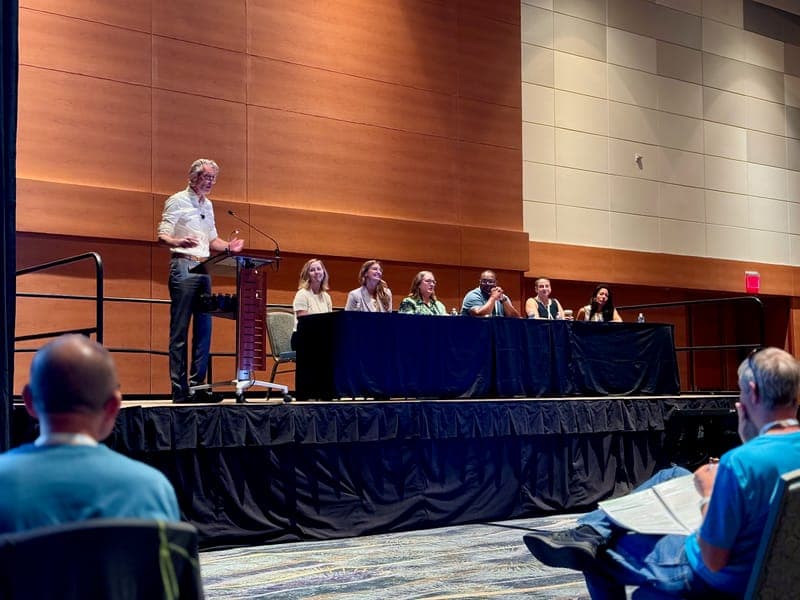
At the World Parkinson Congress in Phoenix, two leading neuroscientists staged a “courtroom battle” over one of medicine’s most consequential questions: what actually drives Parkinson’s disease?

At the opening of the World Parkinson Congress 2026, the mood inside the convention halls felt split between optimism and realism.

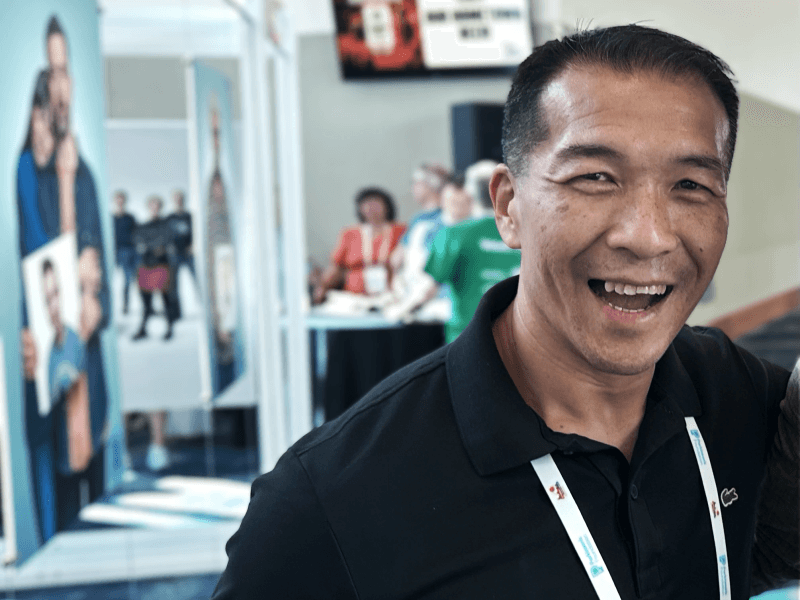
Despite decades of research and billions invested, scientists still cannot stop Parkinson’s disease. For now, says endurance athlete and Parkinson’s advocate Jimmy Choi, the most effective intervention available may be something far less futuristic than many has hoped for: Exercise.

A single dose of cocaine or a single painful event doesn't just pass through the brain; it leaves a physical scar. Excitatory synapses are strengthened for weeks, but in entirely different neighborhoods of the mind.

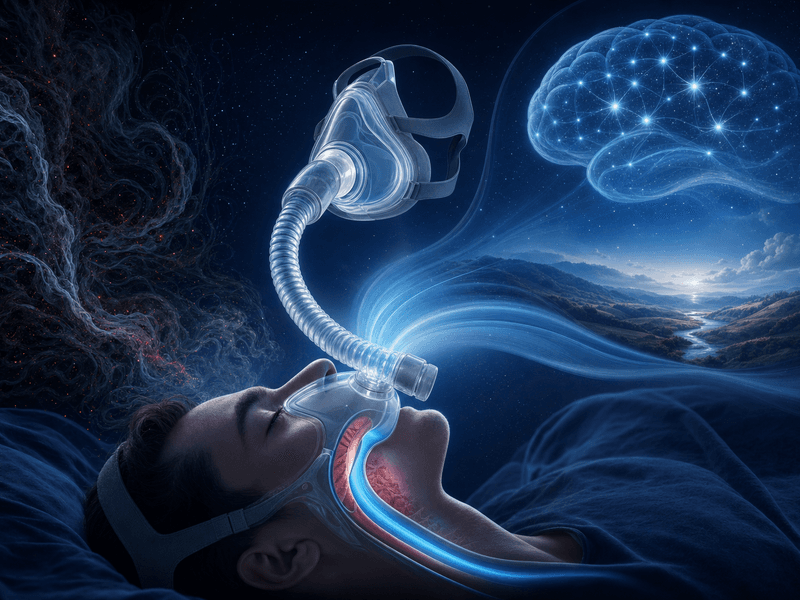
Parkinson's disease and obstructive sleep apnea are locked in a devastating feedback loop, where each condition exacerbates the other through shared molecular pathways, creating a complex clinical challenge that current, siloed treatments fail to address.

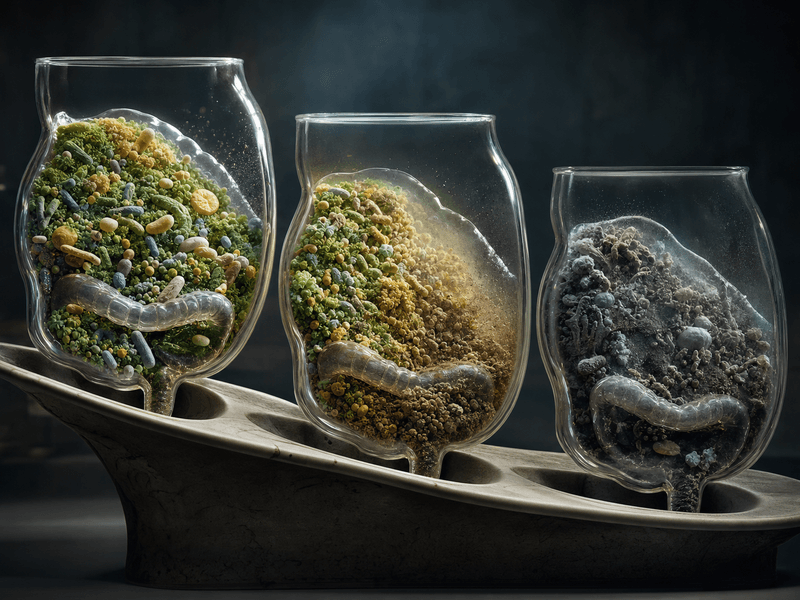
Desulfovibrio is the kind of microbe most people have never heard of, yet it showed up more often and in higher amounts in the sickest among Parkinson’s patients. The temptation is obvious: if a suspicious bacterium tracks disease severity, maybe it helps cause the disease.

An analysis of over 800 brains reveals that the disease bypasses specific motor regions, attacking a newly discovered master network for whole-body coordination.

For more than a decade, Anders M. Leines has documented Parkinson’s from the inside. First, he wanted to change how the disease was seen. Ten years later, he returned to the same people, and found a darker story about time and identity.