The New President of WPC: Malú Gámez Tansey - This is the Beginning of the End
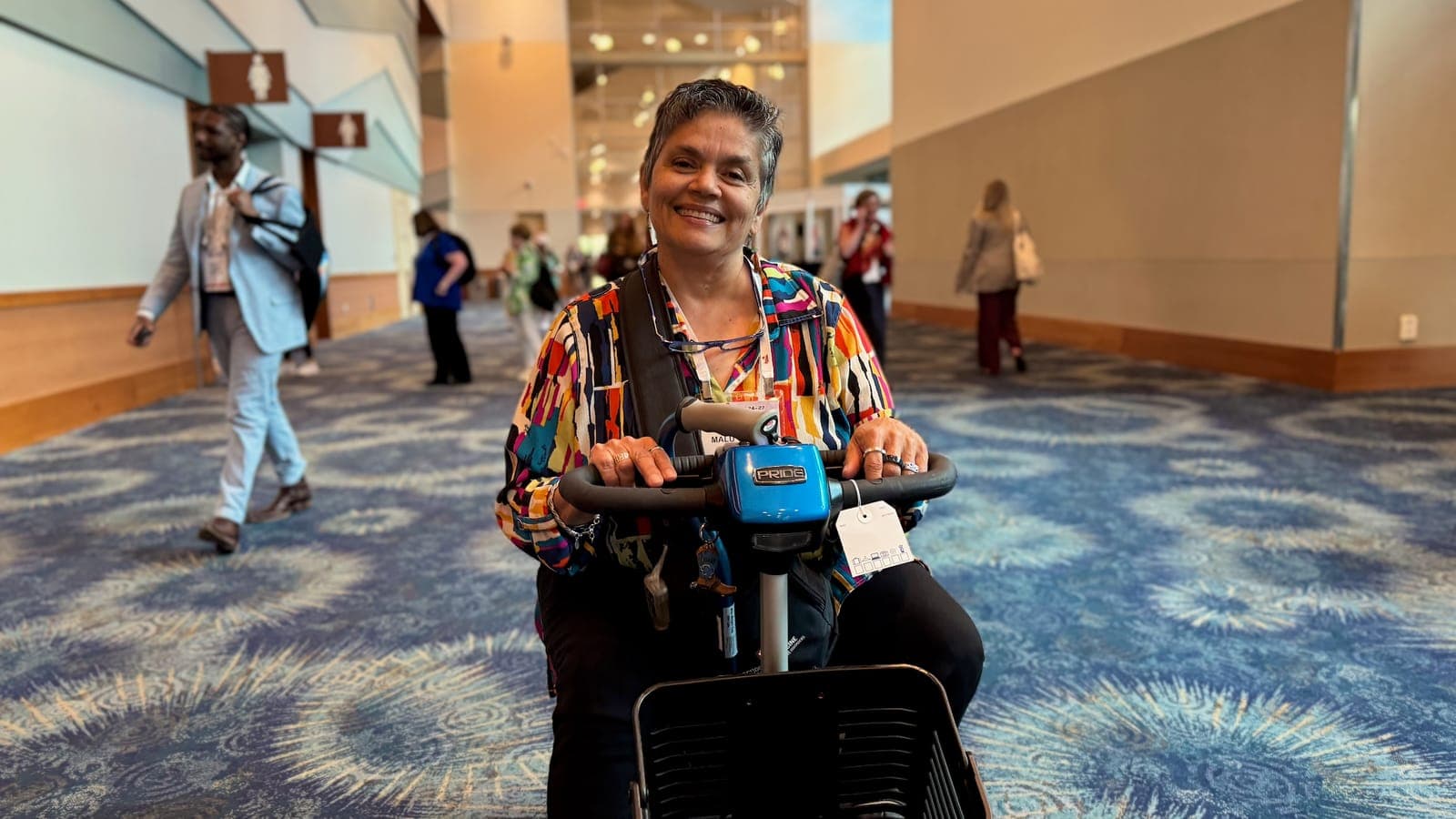
Parkinson’s disease has long been understood through dying neurons and misfolded alpha-synuclein. Neuroscientist Malú Gámez Tansey believes chronic inflammation may be one of the central forces driving the disease.
The information in this article is for educational purposes only and is not intended as medical advice. Always consult a qualified healthcare professional for medical questions.
For decades, Parkinson’s disease has been understood primarily as a disorder of dying neurons.
Deep inside the brain, dopamine-producing cells progressively fail. Movement slows. Tremors emerge. Muscles stiffen. Protein clumps known as alpha-synuclein accumulate inside vulnerable neurons. The disease appeared to follow a relatively straightforward neurological logic: neurons degenerate, dopamine disappears and movement deteriorates.
Increasingly, however, researchers are beginning to view Parkinson’s through a much broader biological framework - one involving not only neurons, but immune systems, metabolism, mitochondria, the gut microbiome and environmental exposure.
In an interview with The Initiative Magazine, neuroscientist Malú Gámez Tansey - one of the most influential researchers in Parkinson’s disease and the new president of the World Parkinson Congress - argued that chronic immune dysfunction may help drive the disease long before classical symptoms emerge.
“We started out very neuron-centric,” Tansey said.
“And we have neglected the caretakers.”
By caretakers, she means the non-neuronal systems that maintain the brain’s environment: immune cells, glial cells, metabolic pathways and inflammatory signaling networks that help neurons survive - or fail.
“Neurons don’t die alone and neurons don’t survive alone.”
That deceptively simple statement captures one of the most significant conceptual shifts now underway in Parkinson’s research. Increasingly, scientists are beginning to treat Parkinson’s less as an isolated neurological disorder and more as a systems-level disease involving interactions between the brain and the rest of the body.
The implications extend far beyond basic biology. They are beginning to reshape how researchers think about causation, clinical trials, prevention and even the definition of Parkinson’s disease itself.
Beyond Synuclein
For much of the past two decades, Parkinson’s research has revolved around alpha-synuclein, the protein that accumulates in Lewy bodies and is widely believed to play a central role in neurodegeneration.
The logic was compelling. Alpha-synuclein aggregates appeared consistently in diseased neurons. Laboratory studies suggested the misfolded proteins could spread from cell to cell in a prion-like fashion. Therapies designed to reduce synuclein accumulation or block its propagation became some of the field’s biggest bets.
Tansey does not reject that model.
“I’m a big proponent,” she said. “I do believe that these are proteinopathies.”
But she believes the field may have misunderstood what role the protein is actually playing.
“Synuclein and amyloid are thought to have very important functions in the immune system,” she said. “They regulate response to infection.”
In this view, proteins like alpha-synuclein may not initially be pathological at all. Instead, they may be part of normal biological defense systems - molecules that help cells respond to stress, pathogens and inflammation.
Problems emerge when those systems remain chronically activated over decades.
Inflammation, Tansey argues, increases synuclein levels in both the gut and the brain. Aging neurons then struggle to process or clear the excess protein. What begins as an adaptive response gradually becomes toxic.
“It makes sense that it goes up with inflammation,” she said. “It makes sense that it goes up with infection.”
Her laboratory has focused particularly on how inflammatory signaling interacts with neuronal vulnerability. In her view, Parkinson’s does not emerge from one isolated insult but from the convergence of multiple stresses accumulating over time.
“Inflammation alone or oxidative stress alone or synuclein alone does not,” she said. “But it’s the convergence of so many stressors that then tips you over the edge.”
She repeatedly returned to the idea of Parkinson’s as a systems failure rather than a single molecular malfunction.
“We’ve lived a little bit too long,” she said.
Unlike many other cell types, neurons are not easily replaced. Once stressed beyond a certain threshold, they may gradually lose the ability to cope with accumulating biological damage.
“I think inflammation may actually be more important than synuclein,” Tansey said.
That statement would once have sounded highly controversial. Increasingly, it reflects a growing current within the field.
Over the past two decades, evidence linking inflammation to Parkinson’s has steadily accumulated across genetics, epidemiology and immunology. Tansey herself has spent years studying inflammatory signaling molecules such as TNF-alpha and how immune dysfunction may contribute to neurodegeneration.
The caretakers
The older neuron-centered model, Tansey argues, overlooked the biological environment surrounding neurons.
For decades, Parkinson’s and Alzheimer’s disease were primarily treated as diseases of neuronal death. But neurons exist inside a larger cellular ecosystem populated by immune cells, glial cells and metabolic support systems that constantly regulate inflammation, waste clearance and tissue repair. Those support systems also age.
“And they get old,” Tansey said. “They get exhausted. They lose competence.”
Her description of neurodegeneration is strikingly ecological. Healthy brain function depends not merely on healthy neurons but on the stability of the surrounding “neighborhood.”
“My hope is that by adding the focus on additional non-neuronal cells, we’ll be able to understand how the neighborhood stays healthy - or how the neighborhood goes downhill.”
Mitochondria have become central to that effort. Long implicated in Parkinson’s disease, mitochondria function as the cell’s energy-producing organelles. But Tansey argues the field initially focused too narrowly on mitochondrial dysfunction inside neurons alone.
“The field had the right organelles from the very beginning,” she said. “But we didn’t have all the right cell types.”
Immune cells themselves, she argues, show profound metabolic dysfunction in Parkinson’s disease. Some become increasingly glycolytic and exhausted. Others fail to communicate properly with adaptive immune systems.
“We also need to fix mitochondria in the immune cells,” she said.
She pointed to recent experiments suggesting that microglia - the brain’s resident immune cells - may even transfer mitochondria directly into stressed neurons in an attempt to rescue them. But if the microglia themselves are dysfunctional, the rescue operation fails.
“Immune cells are doing everything they can to help,” she said. “But as they become older, senescent, exhausted, they’re not doing as great a job.”
The gut-brain axis
One of the most dramatic consequences of the new framework is the growing focus on the gut.
For years, Parkinson’s was treated almost exclusively as a brain disorder. Increasingly, researchers suspect important parts of the disease process may begin outside the brain entirely.
“It can come from potential exposures to pesticides in your gut,” Tansey said. “It can come from chronic infections.”
Inflammation in the gastrointestinal tract appears capable of increasing alpha-synuclein production in gut tissue. Some researchers believe pathological proteins may then propagate upward along connected neural pathways toward the brain.
Tansey described one hypothesis in which epithelial cells lining the gut initially produce elevated synuclein as part of immune defense. Problems arise when those proteins are transferred into connected neural circuits that cannot safely process them.
“That’s where the problem starts becoming toxic,” she said.
The gut microbiome - the enormous ecosystem of bacteria, viruses and fungi living inside the digestive tract - has consequently become one of the fastest-growing areas in Parkinson’s research.
Researchers are now studying whether microbial imbalances, intestinal permeability and chronic gastrointestinal inflammation may contribute to neurodegenerative disease progression years before classical symptoms appear.
That possibility could help explain why many Parkinson’s patients experience constipation, sleep disorders or loss of smell long before tremors emerge.
“As soon as we expand our definition of what it’s like to have Parkinson’s disease,” Tansey said, “the numbers are going to balloon.”
The implications are enormous. If Parkinson’s begins years - or even decades - before classical motor symptoms appear, researchers may eventually be able to intervene earlier, before large numbers of neurons are lost.
Why many trials fail
The growing complexity also helps explain one of the field’s deepest frustrations: the repeated failure of clinical trials. Under the traditional framework, Parkinson’s patients were grouped together under a single diagnosis. Biologically, however, they may represent profoundly different conditions.
Some patients may be driven primarily by inflammatory dysfunction. Others by mitochondrial impairment, lysosomal failure, environmental toxicity or specific genetic mutations such as LRRK2.
“The signal-to-noise is terrible,” Tansey said.
A drug that genuinely helps one biological subgroup may appear ineffective once tested across a heterogeneous patient population.
That realization is increasingly pushing Parkinson’s research toward precision medicine - the idea that therapies should be matched to underlying biology rather than outward symptoms alone.
Tansey described experimental approaches in which researchers isolate immune cells from patients’ blood, expose them to different biological stressors in laboratory dishes and observe how those cells respond to potential treatments.
“You will know exactly who your responders are going to be,” she said.
The strategy resembles approaches already used in oncology and autoimmune medicine.
The same thinking increasingly influences how researchers interpret failed neurodegeneration trials more broadly.
Tansey described one recent anti-inflammatory Alzheimer’s trial involving a modified TNF inhibitor designed to suppress harmful inflammation without broadly suppressing the immune system itself. Researchers attempted to enroll patients showing signs of inflammation, but biomarker limitations complicated patient selection.
The trial ultimately failed its primary cognitive endpoint. But when researchers later examined subsets of patients who were both amyloid-positive and strongly inflammatory, they found slower cognitive decline.
For Tansey, the lesson was not that the biology failed. The categorization failed.
Environment and evolution
The broader model also changes how researchers think about causation itself.
For decades, debates in Parkinson’s research often centered on genetics versus environment. Increasingly, researchers suspect the disease emerges through interactions between both.
Tansey described Parkinson’s as a “perfect storm” - not a single insult, but the convergence of many smaller stressors that collectively push vulnerable systems beyond resilience.
Environmental exposure remains particularly difficult to disentangle.
“We have done a lot of bad things to our environment,” she said. “To our foods and water supply.”
But genetics may also carry hidden evolutionary tradeoffs. Mutations in the LRRK2 gene may enhance immune activity earlier in life, potentially offering advantages against infection. Later in life, however, that same heightened inflammatory response may become harmful.
“What used to be good in a young organism becomes a liability in an older organism,” Tansey said.
Nature, she added bluntly, “doesn’t care about us getting old.”
The idea reframes Parkinson’s not simply as a malfunction, but partly as a consequence of biological systems optimized for survival earlier in life rather than longevity.
Exercise as intervention
The newer framework is also changing how researchers think about exercise.
For years, exercise was often framed as supportive care - useful, but secondary to pharmaceutical intervention. Increasingly, researchers view it as directly relevant to the underlying biology of disease.
“It lowers the inflammation,” Tansey said. “It promotes neurotrophic factors. It’s good for your gut. It’s good for sleep.”
Exercise influences multiple biological systems simultaneously: inflammatory signaling, gut function, sleep quality and production of growth factors that help neurons survive.
“It really is the wonder activity,” she said.
She admitted she initially found the evidence surprising.
“I could never have predicted that was going to work,” she said. “Honestly, I thought - that’s so simple.”
The realization has shifted exercise from lifestyle advice toward something closer to systems-level intervention.
The same systems thinking increasingly extends to sleep. Researchers have become intensely interested in REM sleep behavior disorder, one of the strongest known predictors of Parkinson’s disease years before diagnosis.
“The gut-brain connection goes both ways,” Tansey said.
Artificial Intelligence
As Parkinson’s biology becomes more complex, researchers are increasingly turning toward computational tools capable of analyzing enormous datasets.
Artificial intelligence and machine learning systems are now being used to identify subtle biological patterns across genetics, immune profiling, biomarkers and clinical outcomes.
Tansey believes such systems may become especially valuable in connecting fragmented observations across different scientific disciplines.
“AI is going to really help us pick out the common threads that are central,” she said.
Not because the systems themselves are creative, she argued, but because they can dramatically accelerate pattern recognition across vast scientific literature and experimental data.
Researchers increasingly hope such systems may help identify biological subtypes of Parkinson’s disease long before irreversible degeneration occurs.
Beginning of the End
None of this means Parkinson’s is close to being solved. The disease remains extraordinarily complicated. Clinical failures continue. Fundamental scientific disagreements remain unresolved. Even the role of alpha-synuclein - still central to much of the field - remains heavily debated.
But compared with even a decade ago, the intellectual landscape has shifted dramatically.
Parkinson’s is no longer understood solely as a disorder of dopamine neurons. Increasingly, it is becoming a disease of interconnected systems: immune systems, metabolic systems, gastrointestinal systems and aging systems interacting over time.
That broader framework has also produced something long scarce in neurodegeneration research: cautious optimism. Asked whether neuroscience is still in the early stages of understanding Parkinson’s or approaching a genuine turning point, Tansey did not hesitate.
“I think we are way approaching a breakthrough,” she said.
Then she paused.
“This is the beginning of the end.”
_
Edited on July 2nd to reflect that Tansey is the new president of the WPC.
Also in Parkinson's Disease

Bas Bloem: The Era of Personalized Parkinson's Has Begun
For one of the world’s leading Parkinson’s researchers, Bas Bloem, the future of the field begins with a radical shift in perspective: Parkinson’s is not one disease, but millions.

Claire Henchcliffe: Rebuilding the Parkinson’s Brain
Parkinson’s treatment has so far largely meant replacing lost dopamine. Neurologist Claire Henchcliffe is helping test a far more ambitious idea: rebuilding damaged brain circuits themselves.

Editor’s Note: Why We’re Building The Initiative
How we accidentally became the founders of a Magazine.