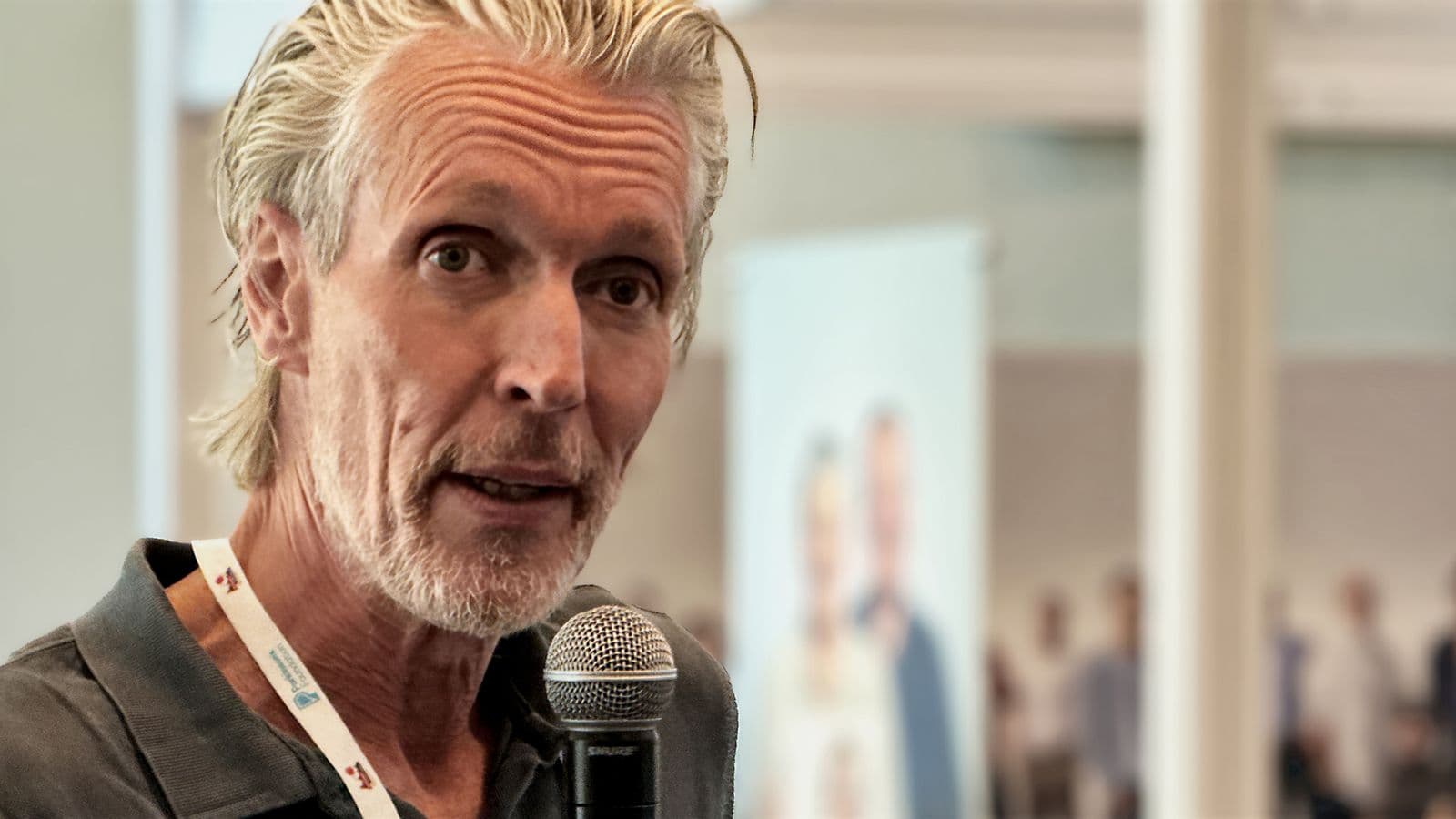
Jimmy Choi at WPC2026: Why Exercise Has Become the Field’s Most Urgent Medicine
Despite decades of research and billions invested, scientists still cannot stop Parkinson’s disease. For now, says endurance athlete and Parkinson’s advocate Jimmy Choi, the most effective intervention available may be something far less futuristic than many has hoped for: Exercise.
The information in this article is for educational purposes only and is not intended as medical advice. Always consult a qualified healthcare professional for medical questions.
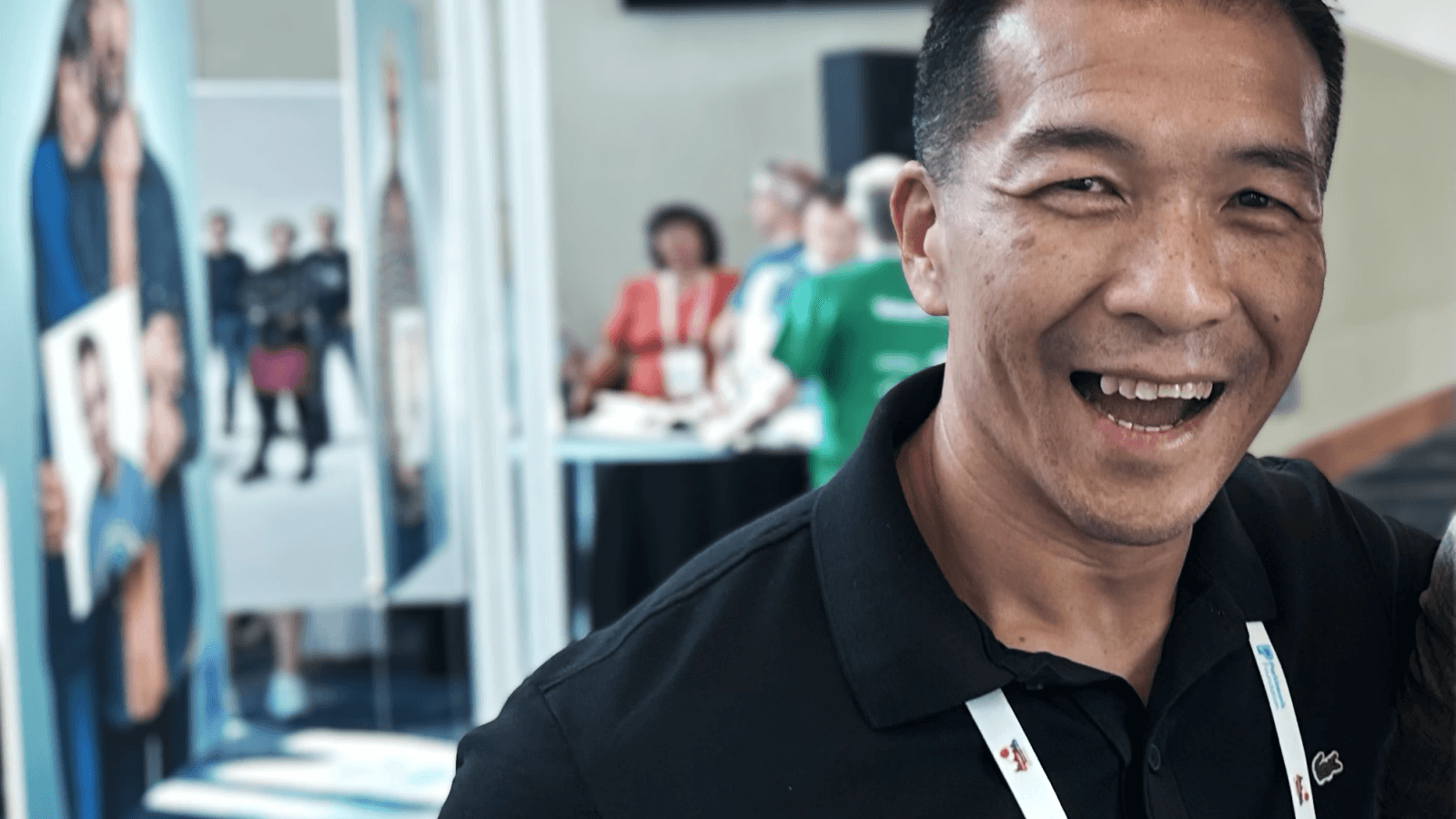
The Initiative Magazine met Choi at World Parkinson Congress 2026, where thousands of neurologists, researchers, clinicians and people living with Parkinson’s gathered to discuss the future of the disease.
“The best thing people can do to stay strong and remain functional is exercise,” Choi says.
Among the crowds moving carefully through the convention halls Choi stood out immediately. Athletic. Focused. More like an elite endurance coach than someone living with a progressive neurodegenerative disorder. And yet Parkinson’s remained impossible to miss.
The tremors were visible. So were the involuntary movements cutting through his posture and gestures. But what stood out even more was how physically functional he remained, and how mentally sharp and engaged he seemed in every interaction.
People constantly stopped him for selfies, quick conversations or encouragement. Choi moved through the conference with the ease of someone who has become a symbol for others. That role now extends far beyond motivational speaking or social media inspiration.
Ninja Warrior
Diagnosed with young-onset Parkinson’s at 27, Choi went from struggling to walk without assistance to becoming an endurance athlete, marathon runner and multiple-time competitor on NBC’s tv-show American Ninja Warrior. Over the years, he has completed more than 100 half-marathons, numerous marathons and ultramarathons, triathlons and obstacle races.
Today, he has also become one of the most visible public figures associated with Michael J. Fox and the broader ecosystem surrounding the Michael J. Fox Foundation. Choi serves on the foundation’s Patient Council while appearing prominently in campaigns, fundraising initiatives and advocacy centered on exercise, resilience and quality of life with Parkinson’s.
In many ways, the relationship reflects a larger transition inside the Parkinson’s field itself. Michael J. Fox became the symbol of the search for a cure. Jimmy Choi has increasingly become the symbol of how to survive while waiting for one.
Confronting the limits
That message lands differently in 2026 than it would have even a decade ago. Parkinson’s research focus heavily on the hope of a breakthrough capable of slowing or stopping disease progression entirely. Scientists pursue genetics, protein misfolding, stem-cell therapies, biomarkers and precision medicine strategies. Yet no therapy has successfully halted Parkinson’s progression in humans.
Medications can reduce symptoms. Deep brain stimulation can improve functionality for some patients. But the underlying neurodegeneration continues forward. The frustration surrounding that reality is increasingly visible - not only among patients, but inside the scientific community itself.
At the same time, researchers are beginning to challenge one of the field’s oldest assumptions: whether Parkinson’s is even a single disease. Increasingly, scientists suspect Parkinson’s may actually represent multiple biological disorders sharing similar outward symptoms. Some researchers describe this as the beginning of personalized Parkinson’s medicine.
Others warn the science remains far from delivering what the public often imagines when terms like “precision medicine” or “breakthrough” enter public conversation.
That widening gap between scientific caution and public hope hovered over much of the discussion at WPC2026.
Choi understands that tension well.
The best we have
Some researchers now openly argue that no transformative breakthrough appears imminent, and that exercise remains the single most effective intervention currently available.
“I 100 percent agree,” Choi says. “Research takes time. To really understand whether a treatment has disease-modifying effects, you need long-term data.”
Until definitive therapies emerge, he believes the immediate priority is preserving mobility, strength and functionality for as long as possible.
“That’s what helps keep people viable until the day we eventually have treatments that can truly slow progression.”
His perspective increasingly aligns with the direction of current Parkinson’s research.
A major 2025 review published in npj Parkinson’s Disease argued that exercise may do more than improve symptoms temporarily. Researchers concluded that sustained physical activity activates multiple biological systems associated with neuronal survival, including brain-derived neurotrophic factor (BDNF), mitochondrial repair pathways, anti-inflammatory signaling and cellular cleanup mechanisms known as autophagy.
The paper suggested exercise may have genuine neuroprotective potential, though definitive proof in humans remains incomplete.
Researchers are also increasingly interested in irisin, a muscle-derived molecule released during exercise that may help protect dopamine-producing neurons from degeneration.
Meanwhile, multiple 2025 meta-analyses found aerobic exercise consistently improved: mobility, balance, gait, cognition, and overall quality of life in Parkinson’s patients.
Programs combining aerobic activity with strength training, balance work and coordination exercises produced especially strong results.
For many clinicians and patients, the conclusion feels simultaneously encouraging and uncomfortable: the most effective intervention currently available is also the least technologically glamorous. No miracle drug. No cure. Just movement.
Executive to athlete
Before becoming one of the world’s most recognizable Parkinson’s advocates, Choi worked as a technology executive in Chicago. Following his diagnosis, he spent years trying to ignore the disease while symptoms gradually worsened. At one point, he relied on a cane and feared losing the ability to care for his family. The turning point came after he fell while carrying his young son. What began as short walks around the block slowly evolved into increasingly aggressive physical training. Over time, exercise stopped being about fitness. It became survival.
Asked how he sees the next decade unfolding, Choi points to the growing scientific focus on exercise, mental health and long-term disease management.
“I think the growing amount of research around exercise, mental health and self-care is going to help the next generation of people being diagnosed today,” he says.
Again, he returns to Michael J. Fox.
“Michael J. Fox is a mentor of mine,” Choi says. “When people like me were diagnosed, we already had the benefit of all the work Michael had done. And now the scientific and research communities are building even more momentum.”
That momentum, Choi believes, may not deliver a cure immediately, but it could significantly improve how people manage the disease and preserve quality of life.
“People diagnosed moving forward will have more information than I had when I was diagnosed,” he says. “Hopefully that helps them manage the disease better from the start, and hopefully it buys them a little more time.”
At the same time, he believes Parkinson’s treatment will almost certainly become more individualized.
“Personally, I think it’s multiple conditions,” Choi says. “I believe people with Parkinson’s will ultimately need individualized treatment approaches.”
For now, however, the debate remains unresolved.
Researchers continue searching for biomarkers, genetic signatures and biological explanations for why Parkinson’s progresses so differently from one patient to another. But until those answers become clearer - and until genuine disease-modifying therapies emerge - one reality remains difficult to ignore:
Hope is growing faster than certainty.
And in the middle of that uncertainty stands Jimmy Choi - visibly affected by Parkinson’s, but still moving through crowded conference halls with the energy of someone refusing to slow down.
The revolution many hoped for has not arrived. So for now, he keeps moving.
Also in Profiles
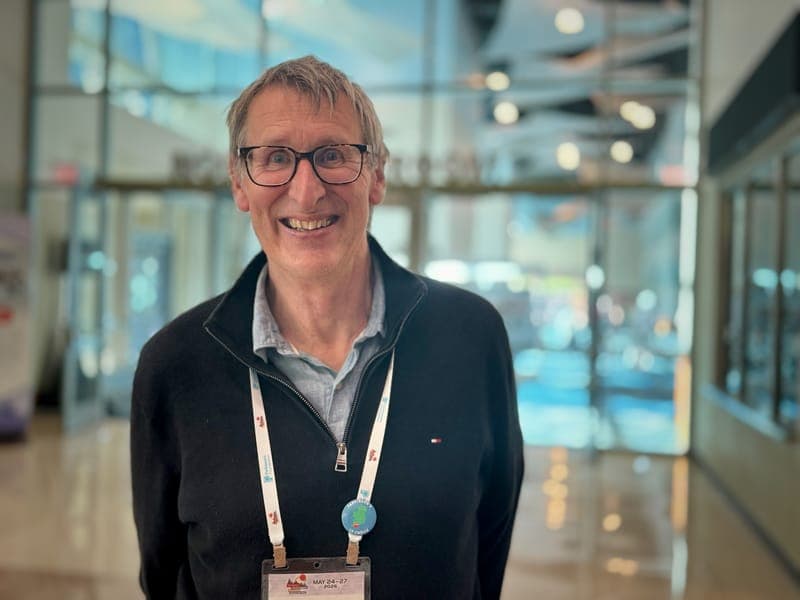
Roger Barker: Beyond the “Breakthrough”
“I don’t think we need a cure,” neuroscientist Roger Barker said. “If you can slow it down by 50 percent and pick people up early on, you’ve probably done it.”
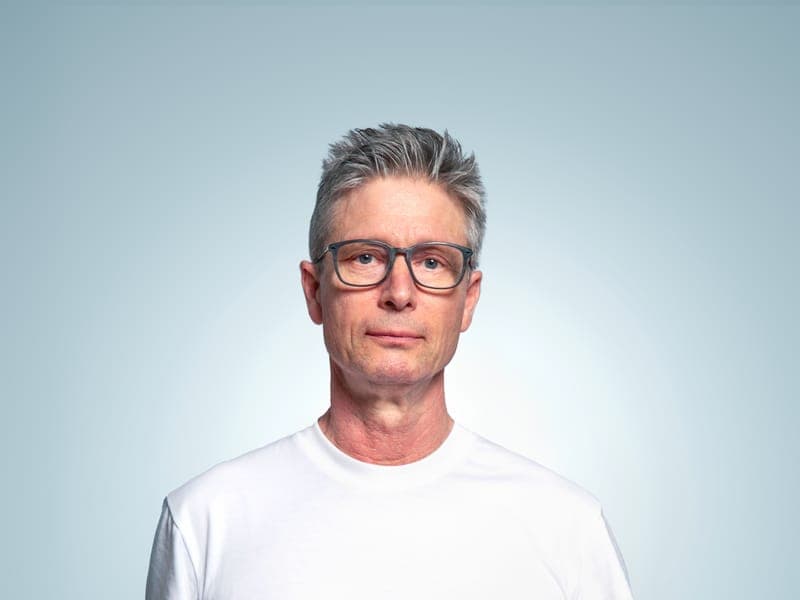
Anders M. Leines: After the Image Changed
For more than a decade, Anders M. Leines has documented Parkinson’s from the inside. First, he wanted to change how the disease was seen. Ten years later, he returned to the same people, and found a darker story about time and identity.
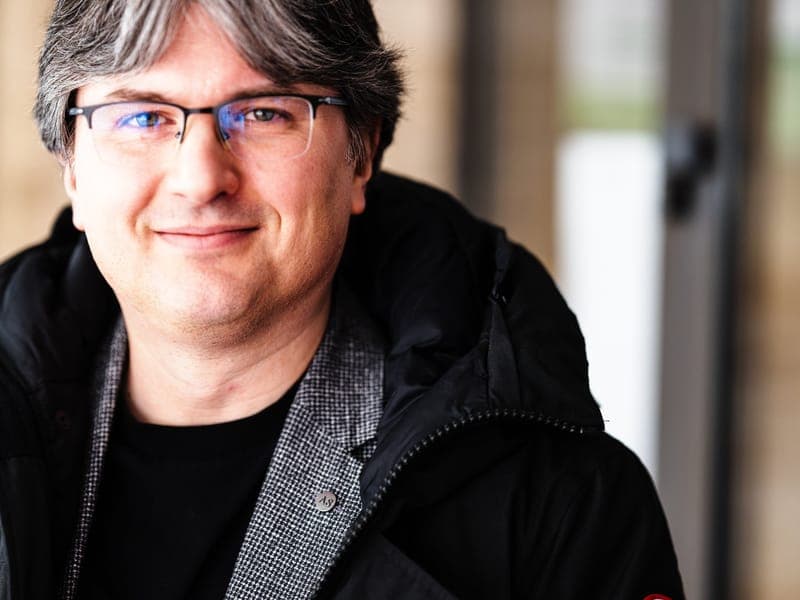
Charalampos Tzoulis: Fighting for a Breakthrough in Parkinson’s Disease
Charalampos Tzoulis may very well be one of the hardest-working scientists in the field of Parkinson's research. His single goal: Achieving the first real breakthrough.