A Bacterium, a Disease, and the Temptation to Say ‘Cause’
Desulfovibrio is the kind of microbe most people have never heard of, yet it showed up more often and in higher amounts in the sickest among Parkinson’s patients. The temptation is obvious: if a suspicious bacterium tracks disease severity, maybe it helps cause the disease.
The information in this article is for educational purposes only and is not intended as medical advice. Always consult a qualified healthcare professional for medical questions.
Summary
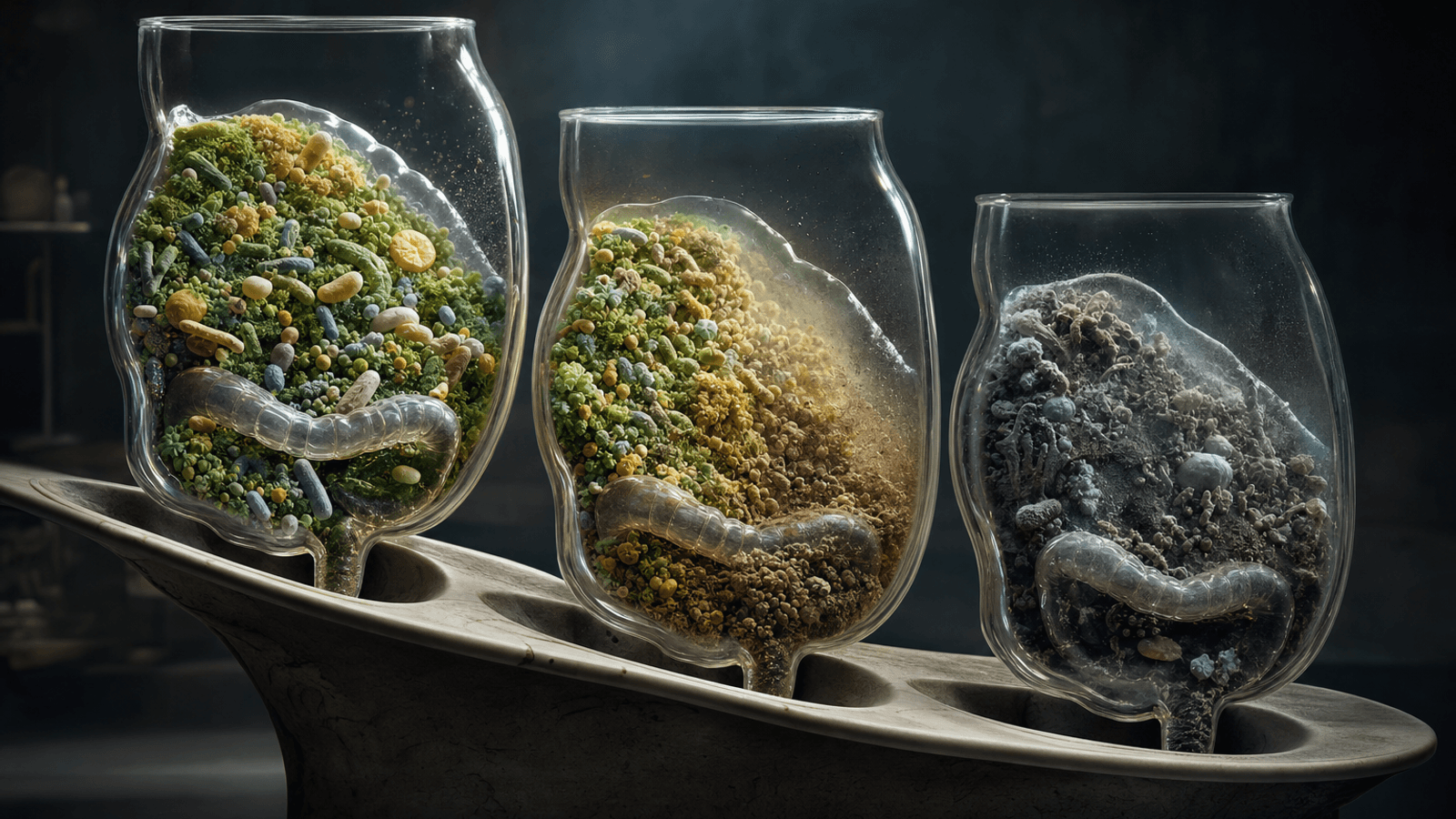
This article explores the compelling link between the gut microbiome—specifically the bacterium *Desulfovibrio*—and Parkinson’s disease. While high levels of this microbe correlate with disease severity, scientists are investigating whether it is a cause or a consequence. Readers will learn: - **Early Indicators:** Healthy individuals with genetic risks show Parkinson's-like gut changes before symptoms appear. - **Potential Mechanisms:** Bacteria may release toxins that trigger protein misfolding in the gut, which then travels to the brain. - **Future Implications:** Proving causation could revolutionize treatments, shifting focus from the brain to gut ecology.
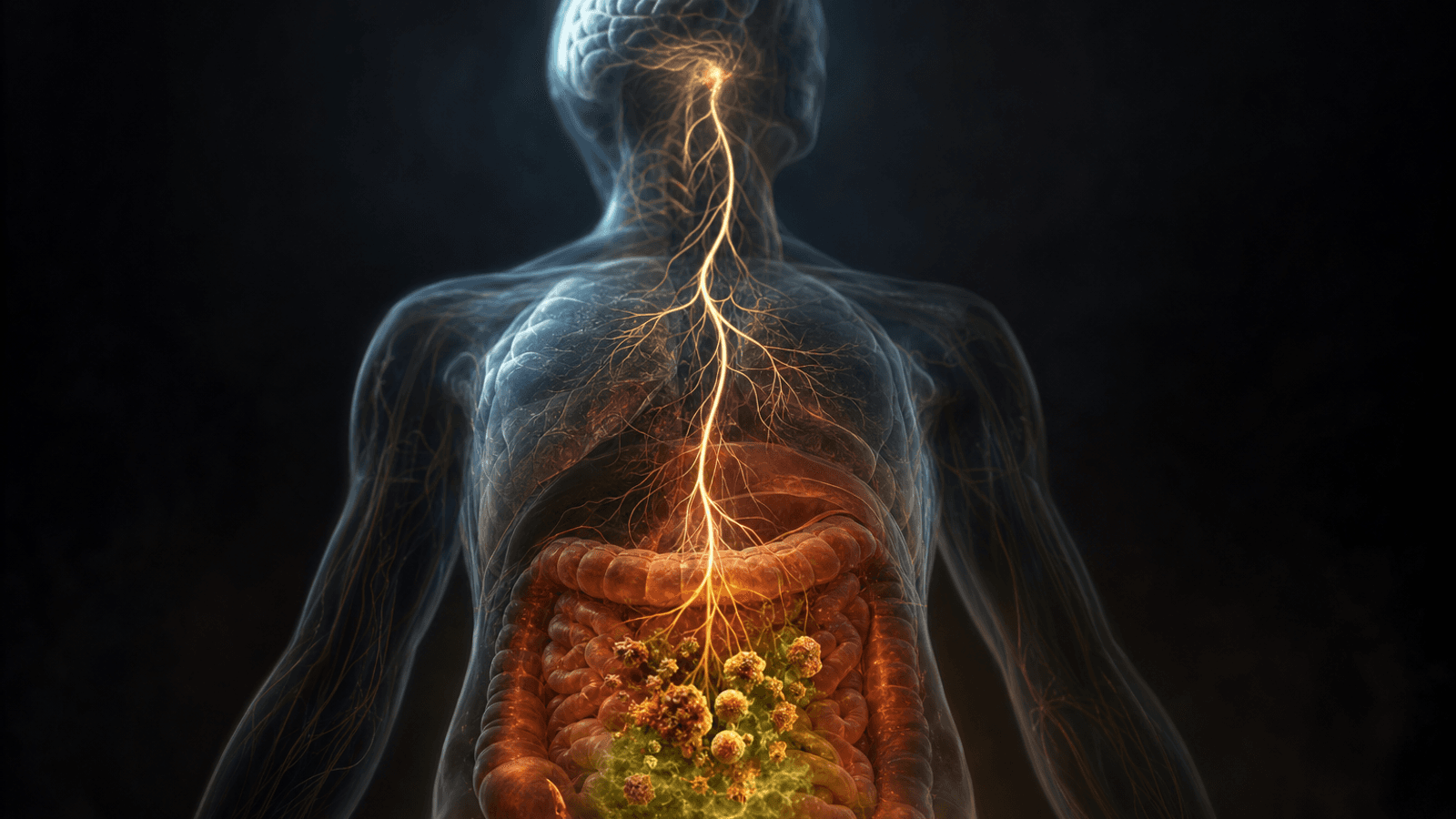
In the dark world of the human gut, a bacterium named Desulfovibrio goes about its business. This obscure microbe has lately been implicated in one of the great medical mysteries of our time: Parkinson’s disease.
In a recent study, a team of researchers went looking for it. They found that Desulfovibrio was more common in the guts of people with Parkinson’s than in healthy individuals. It was detected in 80% of Parkinson’s patients compared to 40% of controls. Furthermore, its abundance tracked disease severity: the more Desulfovibrio a patient had, the more severe their disease. Patients with a disability score greater than 2 on a standard clinical scale had significantly higher loads of the bacterium. In fact, every single patient whose bacterial count exceeded the maximum seen in the healthy group belonged to this more disabled category.
The temptation is immediate and powerful. If a suspicious microbe is found at the scene of a crime, and its abundance tracks the severity of that crime, it’s natural to suspect it’s the culprit. The finding ignites a tantalizing hypothesis: that a gut bacterium could be actively contributing to a degenerative disease of the brain.
But in science, temptation is a dangerous guide. The line between a clue and a cause is notoriously hard to draw. The principle that association is not causation is well-established in science. It’s possible that the disease itself, or the drugs used to treat it, alters the gut environment, leading to shifts in microbial populations. Constipation, a common and often early symptom of Parkinson’s, could also contribute to changes in the gut environment. In this scenario, the bacterium is not a trigger but an opportunist, a consequence of a gut already altered by disease.
This is a persistent chicken-and-egg problem in microbiome research. Does a microbial imbalance cause disease, or does the disease cause the imbalance? Untangling this knot is critical, because the answer determines whether targeting a microbe could ever be a viable therapy.
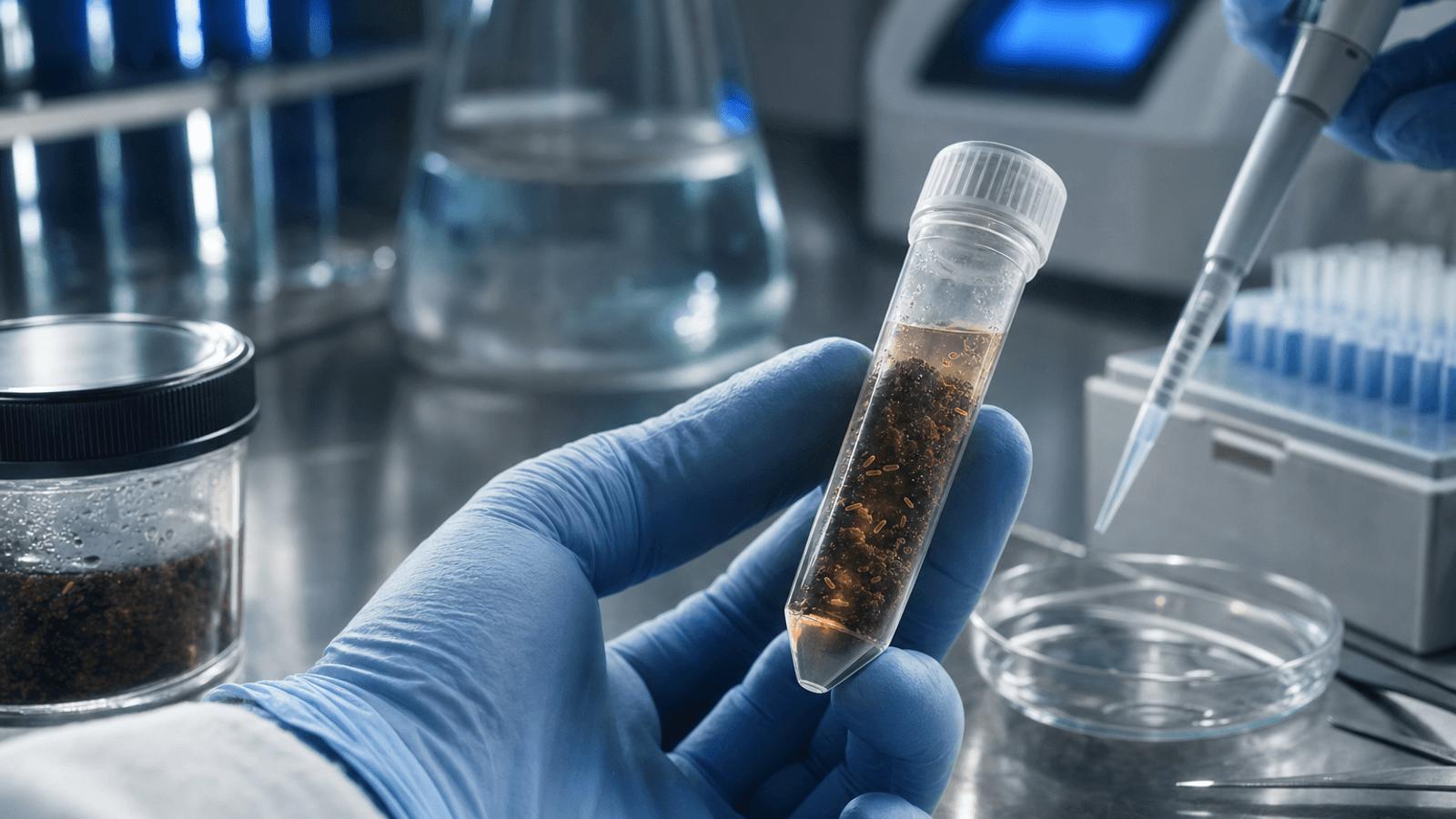
Just as the case seemed to stall on this familiar uncertainty, a new line of evidence emerged, adding a crucial twist to the story. A more extensive study published in Nature Medicine zoomed out from a single suspect to survey the entire microbial community. It confirmed that the gut microbiome of Parkinson’s patients is indeed different, identifying 176 bacterial species that were more or less abundant compared to healthy controls. But the researchers didn’t stop there. They also looked at a special group of people: those who carry a genetic variant in the GBA1 gene, which puts them at a significantly higher risk of developing Parkinson’s, though many never will.
These at-risk individuals provided a unique window into how the microbiome might change in individuals at elevated risk for Parkinson's, even before overt symptoms appear. And what the researchers found in their guts was stunning. The microbial signature of Parkinson’s was already there, in a muted, intermediate form. The study reported that the vast majority of bacterial changes seen in diagnosed patients were already trending in the same direction in these healthy, at-risk carriers. Their microbiomes were caught in a state between health and disease.
This discovery dramatically changes the narrative. If the microbial shifts are present in at-risk individuals who have not yet developed overt symptoms, it suggests they may not be merely a consequence of the disease or its treatment, but rather could be involved in earlier stages. Instead, it suggests the microbiome might be involved in the long, slow cascade of events that leads to Parkinson’s.
The evidence grew stronger still when the scientists correlated the microbial data with subtle, pre-diagnostic symptoms. Among the at-risk GBA1 carriers, those whose microbiomes looked more like a Parkinson’s patient’s were also more likely to have early signs of trouble, such as motor and non-motor disability and autonomic dysfunction. Even in the group of healthy controls with no known genetic risk, those at the extremes of the microbiome spectrum showed differences in measures like depression and motor skills. The gut, it seems, may be keeping a record of risk long before a neurologist can find any definitive signs.
This brings us back to Desulfovibrio. The study also found Desulfovibrio was associated with prodromal symptoms like constipation and hyposmia, the loss of smell that can precede Parkinson’s motor symptoms by years. The researchers even identified a specific gene, hydA, which is unique to Desulfovibrio and was detected in 100% of the Parkinson’s patients they tested, compared to just 65% of controls.
With this growing evidence for association, the question of mechanism becomes urgent. How could a gut bacterium influence the brain? The researchers behind the Desulfovibrio study have a plausible, if unproven, theory. They propose that the bacterium releases a cocktail of toxic substances, including hydrogen sulfide and inflammatory molecules called lipopolysaccharides. These molecules, they argue, could damage the intestinal lining and promote the misfolding and clumping of a protein called alpha-synuclein. Clumps of alpha-synuclein are the pathological hallmark of Parkinson’s disease, and there is growing evidence that this process may begin in the gut and travel up the vagus nerve to the brain.
This is a compelling story, but for now, it remains a biological hypothesis. The human studies did not directly measure bacterial toxins or track misfolding proteins from the gut to the brain. To move from a strong suspicion to a conviction, scientists will need to take the next steps. This means launching longitudinal studies that follow at-risk individuals for years to see if their microbiome can predict who ultimately gets sick. It means using animal models to see if introducing Desulfovibrio can initiate or accelerate Parkinson’s-like pathology. And it means directly measuring the proposed toxic byproducts in patients to see if they correlate with disease progression.
For now, the gut microbiome offers a promising avenue for understanding and potentially stratifying risk. It may help explain why some people with genetic risk factors get sick while others do not. But the ultimate prize is causation. If a bacterium like Desulfovibrio is proven to be a key player, it would transform our understanding of Parkinson’s from a disease of the brain alone to one with roots in the complex ecology of the gut. And it would open the door to a radical new idea: that the path to protecting the brain might begin with tending the invisible ecosystem inside us.

Also in Parkinson's Disease

Bas Bloem: The Era of Personalized Parkinson's Has Begun
For one of the world’s leading Parkinson’s researchers, Bas Bloem, the future of the field begins with a radical shift in perspective: Parkinson’s is not one disease, but millions.

Claire Henchcliffe: Rebuilding the Parkinson’s Brain
Parkinson’s treatment has so far largely meant replacing lost dopamine. Neurologist Claire Henchcliffe is helping test a far more ambitious idea: rebuilding damaged brain circuits themselves.

Editor’s Note: Why We’re Building The Initiative
How we accidentally became the founders of a Magazine.