
Parkinson's Disease
Editor’s Note: Why We’re Building The Initiative
How we accidentally became the founders of a Magazine.
How we accidentally became the founders of a Magazine.
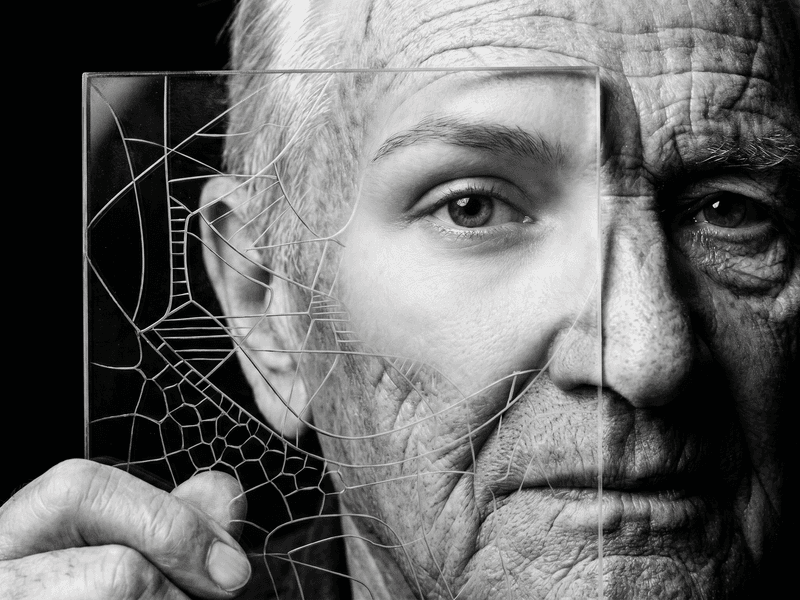
For decades, statistical noise masked the genetic drivers of human aging. Now, a mathematical correction has revealed that our intrinsic lifespan is highly heritable—and driven by reversible biological software.
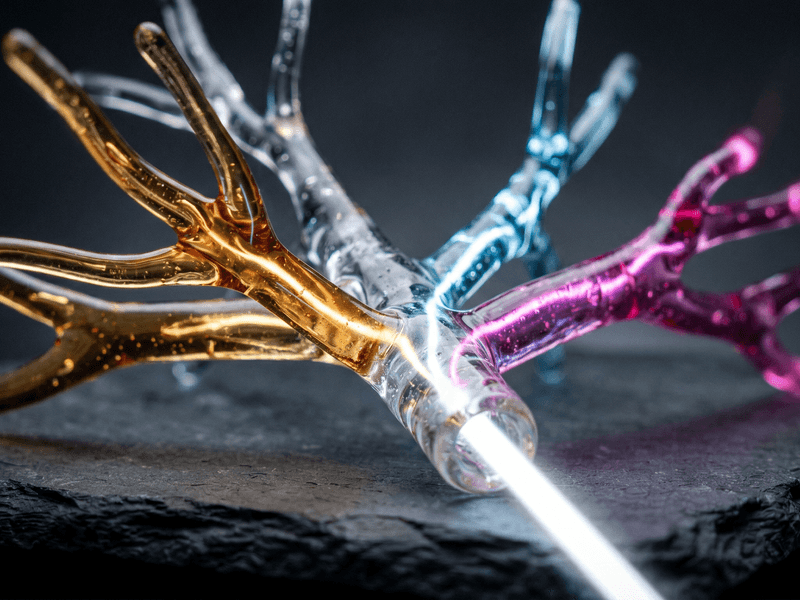
A single dose of cocaine or a single painful event doesn't just pass through the brain; it leaves a physical scar. Excitatory synapses are strengthened for weeks, but in entirely different neighborhoods of the mind.
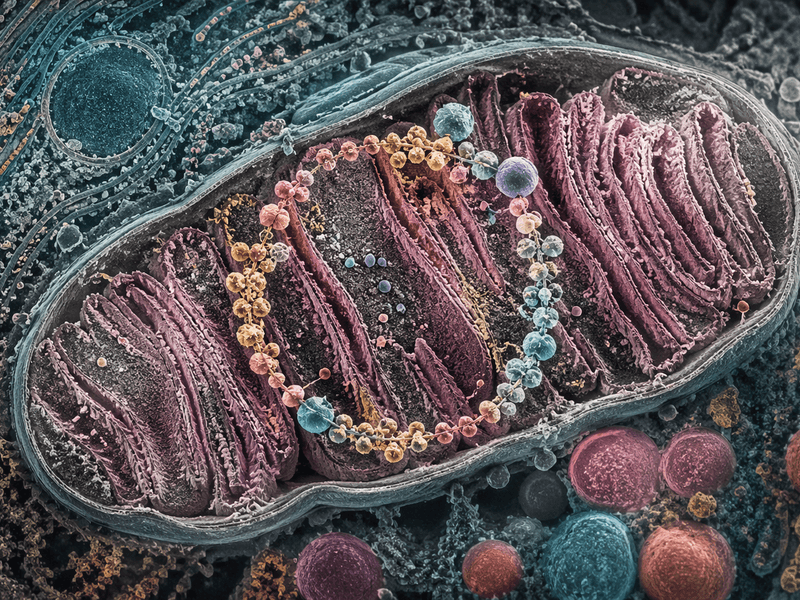
For decades, scientists blamed the Krebs cycle and fat-burning machinery for making mitochondria leak toxic peroxide. But under moderate beta-oxidation, the level of fat-burning during resting or moderate exercise, the usual suspects are exonerated. The real mystery is not why the cell is burning fuel—it’s what else inside the mitochondrion is making the dangerous H202 "exhaust".
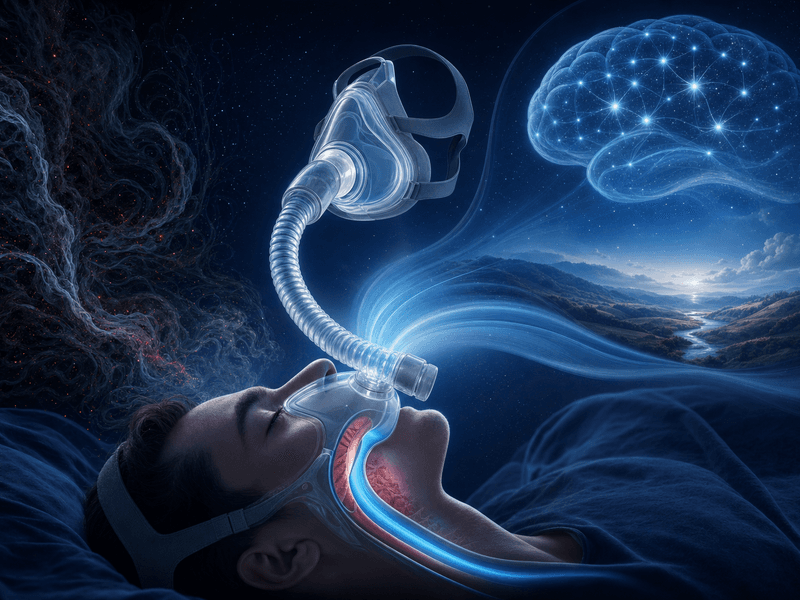
Parkinson's disease and obstructive sleep apnea are locked in a devastating feedback loop, where each condition exacerbates the other through shared molecular pathways, creating a complex clinical challenge that current, siloed treatments fail to address.
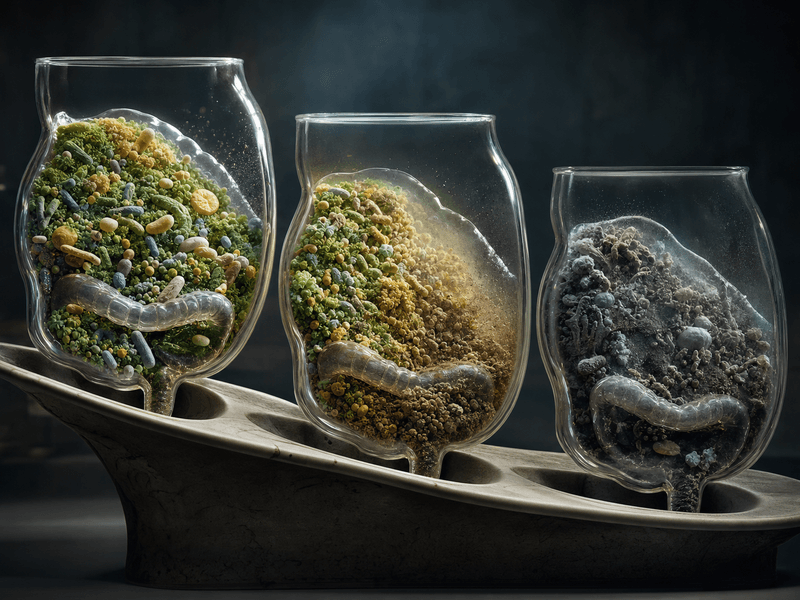
Desulfovibrio is the kind of microbe most people have never heard of, yet it showed up more often and in higher amounts in the sickest among Parkinson’s patients. The temptation is obvious: if a suspicious bacterium tracks disease severity, maybe it helps cause the disease.
An analysis of over 800 brains reveals that the disease bypasses specific motor regions, attacking a newly discovered master network for whole-body coordination.